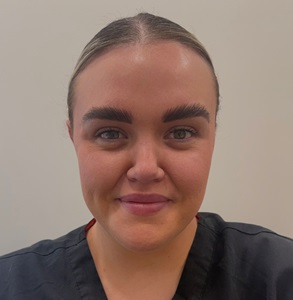
Amy Monahan
Rotary Club of Balwyn
Rural Nursing Scholarship 2026
University of Wollongong, NSW
Final Rural Placement – Nowra Private Hospital
Post Grad Placement – Wagga Wagga base Hospital
Why do I wish to do rural and remote training?
From an early age, growing up on a property, I have always been drawn to helping others and finding ways to make a difference in people’s lives. Since finishing my studies, I have been drawn more towards a future in rural and remote nursing. To me, nursing is more than a career; it is a calling rooted in compassion, service, and community. Among the many paths within my nursing so far, I have found I am especially passionate about becoming a rural nurse. This stems from my understanding of the unique healthcare challenges faced by rural communities and my belief that every person, regardless of where they live, deserves access to quality care.
Rural areas often struggle with limited healthcare resources, fewer medical professionals and long travel distances to hospitals and clinics. These challenges can lead to delayed treatment, unmanaged chronic illnesses, and poorer health outcomes overall. As a rural nurse, I would have the opportunity to bridge this gap by providing direct, consistent, and holistic person-centred care to those who need it most. I believe that nursing in a rural setting requires creativity, independence, and adaptability; these qualities align well with my strengths and aspirations. The ability to make meaningful decisions, provide education and develop trusting relationships with patients is what draws me to this type of nursing.
Another reason I wish to be a rural nurse is the deep sense of community connection that rural healthcare fosters. In smaller towns, nurses often care for multiple generations within the same family and become a trusted part of the community. This continuity of care allows for more personalized and culturally sensitive nursing, where patients are not just seen as cases, but as neighbours and friends. I find that sense of familiarity and shared responsibility deeply fulfilling. Working in a rural environment would allow me to honestly know my patients, understand their lifestyles, and help them achieve better health in ways that fit their daily realities. During my 3-year nursing degree, I have spent 2 weeks at Batemans Bay Hospital and Forbes Community Mental Health Facilities. Both of these placements made me realise just how much I love smaller communities.
Rural nursing also offers unique professional growth opportunities. Because rural nurses often work with limited resources, they develop a wide range of clinical skills and a stronger sense of autonomy. They may perform a wide variety of tasks that, in urban settings, would be handled by specialists. I am motivated by this challenge and by the opportunity to learn and adapt in a setting that continuously requires versatility. The experience gained from working in rural healthcare not only strengthens clinical judgment but also cultivates resilience, problem-solving ability and leadership, all of which are essential qualities in nursing.
Ultimately, my wish to be a rural nurse comes from a deep commitment to equity and compassion in healthcare. I believe that access to quality healthcare should not depend on location. By serving in rural communities, I hope to help reduce health disparities and improve overall well-being for individuals and families who might otherwise lack adequate care. Nursing in these areas means being an advocate, a teacher, and a healer all at once.
Final (University) Rural Report
My final clinical placement at Nowra Private Hospital was a valuable opportunity to consolidate my knowledge and transition from being a student to beginning my journey as a registered nurse. This placement strengthened my clinical skills, helped build more confidence and professional identity.
During the placement, I developed greater competence in patient assessment, medication administration and recognising the clinical signs of deterioration in patients. Working closely with experienced registered nurses highlighted the importance of evidence based and person centred care and how important effective teamwork is. I also improved my time management and prioritisation skills while managing multiple patients with varying care needs.
Communication was a key area of growth during this placement particularly during handovers and multiple interactions with the multidisciplinary teams throughout the hospital. While on placement continuing to build therapeutic relationships with patients reinforced the importance of empathy, professionalism and clear communication when achieving positive outcomes.
This placement also increased my awareness of the emotional demands of nursing and the importance of self-care and resilience. Observing role models within the clinical environment helped me view my approach to maintaining sustainable practice.
Overall, my final placement at Nowra Private Hospital was a positive and rewarding experience that prepared me for my New Graduate year at Wagga Wagga Base Hospital. It confirmed my commitment to not only nursing but rural nursing and provided a strong foundation to enter the workforce with confidence and professionalism.
Post Grad Rural Placement Report
Over the past three months working in the Recovery Unit at Wagga Wagga Base Hospital, I have developed greater confidence and competence in providing safe, evidence-based postoperative care. This rotation allowed me to strengthen my ability to perform patient assessments, recognise the early signs of deterioration and respond promptly to changes in a patient’s condition. I have become more confident in airway management, pain assessment, postoperative observations and medication administration while ensuring patient comfort and safety throughout recovery.
Working alongside experienced recovery nurses, anaesthetists, surgeons, and the multidisciplinary team has enhanced my communication skills and reinforced the importance of effective teamwork in achieving positive patient outcomes. I have gained confidence in providing accurate clinical handovers using ISBAR, advocating for patients and escalating concerns appropriately when required.
This experience has also improved my time management and prioritisation skills particularly when caring for multiple patients with varying levels of acuity. I have learnt to balance clinical tasks while maintaining compassionate, person-centred care and supporting patients and their families during what can be an overwhelming time.
Reflecting on the past three months, I recognise significant growth in my clinical judgement, critical thinking and professional confidence. I have welcomed feedback from senior staff and used it to continually improve my practice. Moving forward, I aim to further develop my skills, deepen my knowledge of complex postoperative care and continue providing safe high quality care in accordance with the NSW Health CORE Values of Collaboration, Openness, Respect and Empowerment. This rotation has reinforced my commitment to lifelong learning and has strengthened my confidence as a registered nurse.