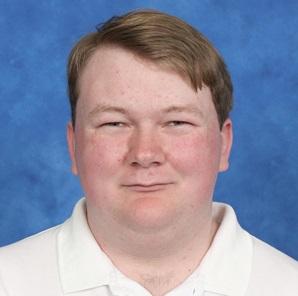
Casey Slade
Indigenous Health Scholarship
Monash University, Vic.
Bachelor of Medical Science and Doctor of Medicine
Scholarship Awarded 2025
Sponsored by:
Rotary District 9790 Eltham Group
Student Profile
My name is Casey Slade, I’m a Ngiyampaa man from Ivanhoe NSW. I was born at Lismore base hospital but shortly moved to my dad’s hometown of Ivanhoe. We lived there for a few years before moving to Mildura and finally settling in Wentworth where I live when not at university. I was never sure what I wanted to do after high school until a few close family members needed to see specialists and I realised just how big of a barrier travelling so far for healthcare was, let alone the impacts it has on the person and their families.
The financial stress of having to travel so far, the mental stress from isolation if they cannot afford to have their mob stay with them, in addition being so far off country. It is situations like these that pushed me to healthcare and hopefully into a speciality where I can make some change and reduce the need to travel so far for life saving care.
How will I contribute to improving Indigenous health as a qualified medical practitioner or health worker?
This scholarship will allow me to dedicate my time completely to my medical education in hopes of bridging the gap so many rural and indigenous communities face. I’ve seen first hand how when in need of life saving or end of life care, people of these communities must travel hundreds or thousands of kilometres, off their country and isolated from their kin. It’s these experiences that motivate me in my studies and drive me toward my goals in research, practice and advocacy.
I’ll also have the freedom to pursue unpaid academic and clinical opportunities I otherwise wouldn’t have access to. Things such as internships, research or volunteering at Indigenous health initiatives, things that would be vital for me and my aspiration to publish research that would make more doctors aware of just how much of an impact receiving healthcare on country has on indigenous people and communities, while developing skills to better my future practice.
In addition to my research aspirations and my hopes to take down the barriers rural Indigenous communities face when accessing healthcare, I also hope to be a role model for the next generation of indigenous students. Through the continuation of my studies, as I am part of the Extended Rural Cohort, I will undergo placements in rural Victoria, and likely subsequently practice there, I hope to inspire Indigenous kids within these communities, showing them that tertiary education is not only attainable, but it can also be a catalyst for change, especially within healthcare.
Current Progressive Report
Semester 1 of 2026 has been the highlight of my degree to date. As mentioned in my last reflection, it was the goal post I set for myself in those times during the first 2 years where the content was overwhelming and the academic expectations were difficult to weather. Now that I am here and 19 weeks into it, I could not be more thankful for the support of both staff and peers at Monash but also Australian Rotary for making it possible.
These weeks in the hospital have reignited my spark and passion for medicine, both as a whole but specifically my interest in rural and Indigenous health too. These weeks have made me excited about my future as a clinician as I’ve now seen firsthand, from the other side of the curtain, the profound impact we can have as healthcare providers working in this setting.
As for what I have actually done this semester, I am just finishing my 8th week in general surgery and have already done 3 weeks in orthopaedics, 6 in general medicine, 4 in the emergency department and 1 in general practice. With more weeks to come in all but surgery, I am most looking forward to my scheduled week at MDAS, mallee district aboriginal services. This is because, out of my placement activities so far, attending fracture clinic in orthopaedics has been the highlight, with rapid fire patients, meaningful impact and the collaborative environment with clinicians, nursing and allied health staff was an environment I could see myself thriving in upon completion of my degree. Based on feedback from peers, MDAS has this same environment but rather than fractures, joint replacements and soft tissue injuries we get to provide primary healthcare to Indigenous patients within an environment that fosters connection between patient, practitioner and community. Placement at MDAS provides my first opportunity to engage with this facet of medicine as a provider, if only as a student assisting.
Once again, thank you for your continued support.