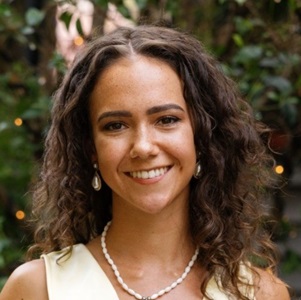
Eden Slicer
Indigenous Health Scholarship
University of New South Wales, NSW
Bachelor of Medical Studies/Doctor of Medicine
Scholarship Awarded 2024
Sponsored by:
The Late Keith Henning
Student Profile
I am a proud Gundungurra woman who has grown up on Palawa country, Tasmania. From a young age, I have had a deep interest in health and medicine, with my own experiences with illness sparking my curiosity, which has only developed deeper over the years. Due to health issues, I have followed an alternate path to be where I am today, however, my experiences have provided me with a wealth of knowledge and perspectives I am extremely grateful for. My personal experiences allow me an ability to genuinely empathize with patients and individuals struggling, while also interacting with all individuals with increased awareness of the diversity of the human experience and the considerations required for the inclusivity and connection that is important to health care.
My connection to Aboriginal community both in NSW and Tasmania fuels my strong drive to work to correct the significant disparities in health care and health outcomes faced by Aboriginal people today. This has been a driving force that makes me deeply determined to use my access to education and ability to pursue a medical career to ensure I can make a positive change and improve the health outcomes of Aboriginal people and disadvantaged individuals and communities.
How will I contribute to improving Indigenous health as a qualified medical practitioner or health worker?
Through my personal life experiences, as well as work experiences in Aboriginal youth justice, I have developed a deep passion for improving health care in disadvantaged individuals and communities. From these experiences I have become aware of the significant disparities in health care and psychosocial support faced by Aboriginal youth, as well as the significant discrimination and inequity the Aboriginal population continue to face in the health care system. As a qualified medical practitioner, I intend to use my neurobiology research background to pursue further research on the predisposition of Aboriginal people to specific neurological, mental health or substance abuse disorders, and contribute practically to the development of improved healthcare understanding, prevention, treatment and management of Aboriginal and Torres strait islander people.
I intend to gain experience in rural communities, to develop my understanding of important perspectives, I hope to use the knowledge and understanding acquired from these experiences to work with diverse communities, not only providing the best healthcare possible but also using my experience and knowledge to promote the needs of the community and advocate for positive change towards improved health outcomes for Aboriginal people. I hope to continue to be involved in research expanding on my past contributions and I hope with the wealth of experience I intend to obtain that I will be able to contribute to educational positions, sharing perspectives and promoting discussions and learning around both First Nations health and culturally informed health care, to assist in the development of future health care professionals that will continue to facilitate positive change.
Current Progressive Report
Semester one of this year has been one of the busiest, most challenging, and rewarding periods of my medical degree. As I enter my final year of medicine, I have become increasingly aware of the responsibility that comes with transitioning from student to doctor, and this semester has provided many opportunities to develop both clinically and personally.
Throughout the first half of the year, I completed clinical placements in Obstetrics and Gynaecology, Emergency Medicine and Critical Care, and Neurosurgery. Each term offered unique learning experiences and reinforced different aspects of patient care.
My Obstetrics and Gynaecology rotation highlighted the importance of communication, advocacy, and continuity of care. I was privileged to be involved in the care of women and families during significant moments in their lives and gained a greater appreciation for the social, cultural, and emotional factors that influence healthcare experiences. In Emergency Medicine and Critical Care, I was exposed to the assessment and management of acutely unwell patients. This placement challenged me to develop clinical reasoning under pressure, improve my ability to prioritise competing demands, and work effectively within multidisciplinary teams. My Neurosurgery rotation has been particularly inspiring, combining my longstanding interest in neuroscience with the opportunity to observe complex procedures and participate in the care of patients with life-changing neurological conditions. It has reinforced my interest in pursuing a career in neurosurgery and highlighted the profound impact that surgical intervention can have on patients’ quality of life.
Alongside my clinical training, I have continued to pursue research focused on improving outcomes for First Nations peoples affected by brain cancer. This semester I had the opportunity to attend international conferences and present my research on brain cancer in First Nations populations, as well as present a poster on neuro-oncology in First Nations children. These experiences were significant highlights of the semester. Presenting research to national and international audiences allowed me to share important findings, receive valuable feedback, and engage with clinicians, researchers, and advocates working to address inequities in cancer care. Perhaps most importantly, these experiences reinforced my commitment to contributing to research that is both clinically meaningful and relevant to First Nations communities.
Balancing clinical placements, research commitments, conference preparation, and final-year exam preparation has been one of the greatest challenges of the semester. Final year medicine requires consistent preparation across all disciplines, including written examinations, clinical assessments, oral vivas, and interview-style examinations. At times, managing these competing priorities while maintaining my health and wellbeing has been difficult. However, these challenges have helped me develop stronger organisational skills, improve my time management, and recognise the importance of maintaining balance and seeking support when needed.
As I look ahead to my final semester of medical school, my primary focus will be preparing for final examinations while continuing to maximise learning opportunities during clinical placements. I hope to further consolidate my clinical knowledge, build confidence in independent decision-making, and continue developing the practical skills required for internship. I also aim to continue contributing to research and advocacy efforts that improve outcomes for First Nations peoples. While there is still much to learn, I feel grateful for the opportunities I have had so far this year and excited for the final stage of my medical training before commencing work as a junior doctor.
I remain sincerely grateful to Rotary for supporting my medical studies through the Aboriginal Health Scholarship. This support has helped me pursue opportunities in both clinical medicine and research that have contributed significantly to my development as a future doctor. I am proud of what I have achieved this semester and look forward to continuing to grow throughout the remainder of the year.