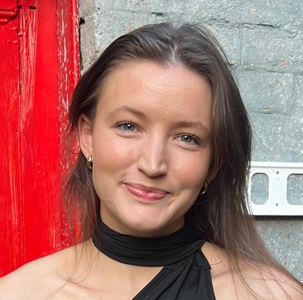
Hazel Carson
Rural Medical Scholarship 2026
Western Sydney University, NSW
Lismore Clinical School
Scholarship Awarded 2026
Sponsored by:
Rotary District 9675 Inspirational Womens Awards Rural Medical Scholarship
How would the Australian Rotary Rural Health Scholarship help with my studies at the Rural Clinical School?
Growing up in the Northern Rivers, in both Kyogle and Lismore, has instilled in me a deep appreciation for the sense of community and the unique challenges that rural communities face. After spending the last few years pursuing medicine away from home, the opportunity to return to my hometown as part of my clinical placements feels both timely and deeply meaningful. Having been born at Lismore Base Hospital, returning to complete my final years of medical training there is a full-circle moment, one that reflects not only my personal journey, but also my commitment to giving back to the community that helped shape me.
My motivation for pursuing medicine as a career was profoundly shaped by my extensive experiences with the local healthcare system, particularly with mother’s diagnosis of glioblastoma multiforme, her treatment and ultimately the palliative care that she received in her final days. Her diagnosis highlighted the barriers that rural communities face in accessing timely and specialised care. From travelling interstate to major tertiary centres to receive specialist care, to the long wait times in understaffed rural hospitals, I’ve witnessed first-hand the emotional and financial pressure this places on those in rural communities.
However, relocating for rural clinical training comes with significant financial strain. The Australian Rotary Health Rural Health Scholarship would relieve much of the associated financial stress, allowing me to place my full attention on my studies and clinical responsibilities. Costs related to travel, accommodation, and study resources are substantial. Receiving this scholarship would help ensure I can complete my training without needing to undertake excessive paid work, allowing me to fully engage in rural practice, research and community health outreach opportunities.
Not only would this scholarship help financially, being supported by Rotary, a longstanding organisation dedicated to service, would be a privilege and motivator. Rotary’s values of service, leadership and community mirror my own, especially in their commitment to health equity. As a Rural Health Scholar, I would use the opportunity not only to grow as a future healthcare provider, but also to engage directly with Rotary initiatives in the Northern Rivers.
Ultimately, this scholarship would not only help me complete my studies, but it would also help me honour my roots, my family’s experience, and my aspiration to serve as a doctor who understands, advocates for, and works alongside her community. With Rotary’s support, I hope to continue building the foundation for a career dedicated to rural health.
Current Progressive Report
This year, I have had the opportunity to complete a significant part of my medical training in a rural setting, and I am incredibly grateful for the support of the scholarship that helped make this experience possible.
Returning to a rural community has been particularly meaningful for me, as I grew up in the same region where I completed my placement. Having grown up in the Northern Rivers, I have always understood the importance but also the difficulty of accessing healthcare in rural and regional communities. It has been incredible to experience healthcare delivery from the perspective of a medical student and has only reinforced my desire to continue working in rural communities going forward.
Being in a rural setting has also allowed me to have greater involvement within the clinical team and a broader scope of practice, which has helped me develop and strengthen my clinical skills and knowledge. As a medical student, I have often been able to take a more active role in the day-to-day functioning of the team. For example, during a weekend shift on my paediatric rotation, there was no junior doctor rostered to the team, which meant I was able to contribute more actively by writing notes during ward rounds, assisting with clinical tasks and helping with the day-to-day jobs of the team. Experiences such as these have given me greater confidence in my clinical abilities and a better understanding of the teamwork and adaptability required when working in a rural setting.
The sense of community is something I really value, and it was something I was fortunate enough to witness throughout my time in the Northern Rivers. One experience that particularly stood out to me was during our mental health placement, when the local Rotary Club organised a barbecue for the mental health department. Although it was a simple gesture, I was struck by the generosity and support shown towards the healthcare staff and the sense of connection between the hospital and the wider community. It highlighted one of the things I value most about rural communities: the way people and organisations come together to support one another. I have also really valued the relationships I have been able to build with patients and staff, and I hope that I have become a familiar and valued member of a smaller healthcare community.
The scholarship has also helped support me during a year that involved living and studying away from my usual support system. This support has allowed me to focus more fully on making the most of the learning opportunities available to me and engaging with the community in which I have been placed.