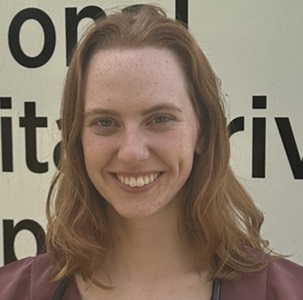
Phoebe Doohan
Screenshot
Rural Medical Scholarship 2026
Australian National University, ACT
Gundegai Clinical School
Scholarship Awarded 2026
Sponsored by:
The Late PDG Joe Scorer Medical Scholarship
How would the Australian Rotary Rural Health Scholarship help with my studies at the Rural Clinical School?
From the moment I was introduced to a Shetland pony at age six, I knew horses would be my lifelong passion. It sparked a dream to become a competitive showjumper, a dream that has taught me discipline, resilience, and the value of community. Now, as I pursue a path in medicine, my goal of becoming a rural doctor allows me to live all my dreams: pursuing scientific discovery, caring for people, and show-jumping.
Horse riding has directly supported my journey into medicine. It has taught me how to make quick decisions under pressure, remain calm and focused in unpredictable situations, and communicate with empathy and patience. Horses keep me grounded, especially during the most demanding periods of study. To me, they are not just pets or sport, but part of my wellbeing and connection to the community. Horses bring rural people together, whether that be through Ag shows, pony club, trail rides, or helping neighbours with cattle work. They’re a shared language across generations and towns, reminding everyone that rural life thrives on cooperation, perseverance, tradition and fun.
Living rurally has taught me the importance of initiative and community. As events coordinator for my university’s rural society and a volunteer at Pony Club, I have seen first-hand how things only happen when people step up. Whether it’s organising fundraisers or setting up jumping courses at Ag shows, it brings me joy to give back to the communities that give so much to me. Applying this attitude to my research and studies has helped me immensely and opened many doors of opportunity. For example, I noticed that Motor Neurone Disease was a significant issue in regional NSW, yet it was barely covered in my university’s neurology curriculum. Rather than accept that gap, I organised a seminar with leading neurologists to educate my peers and members of the Canberra community.
The scholarship would also allow me to spend more time continuing research in the areas I am passionate about, particularly epigenetics and the impact of environmental factors on human health. I am deeply committed to serving rural communities, both as a medical professional and as someone who understands the unique challenges and strengths of rural life. This scholarship would support not only my education but also my ability to thrive and contribute meaningfully to the Gundagai community.