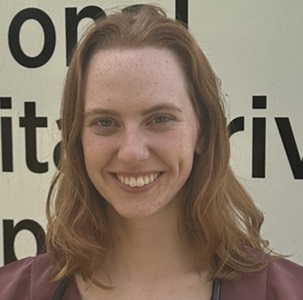
Phoebe Doohan
Screenshot
Rural Medical Scholarship 2026
Australian National University, ACT
Gundagai Clinical School
Scholarship Awarded 2026
Sponsored by:
The Late PDG Joe Scorer Medical Scholarship
How would the Australian Rotary Rural Health Scholarship help with my studies at the Rural Clinical School?
From the moment I was introduced to a Shetland pony at age six, I knew horses would be my lifelong passion. It sparked a dream to become a competitive showjumper, a dream that has taught me discipline, resilience, and the value of community. Now, as I pursue a path in medicine, my goal of becoming a rural doctor allows me to live all my dreams: pursuing scientific discovery, caring for people, and show-jumping.
Horse riding has directly supported my journey into medicine. It has taught me how to make quick decisions under pressure, remain calm and focused in unpredictable situations, and communicate with empathy and patience. Horses keep me grounded, especially during the most demanding periods of study. To me, they are not just pets or sport, but part of my wellbeing and connection to the community. Horses bring rural people together, whether that be through Ag shows, pony club, trail rides, or helping neighbours with cattle work. They’re a shared language across generations and towns, reminding everyone that rural life thrives on cooperation, perseverance, tradition and fun.
Living rurally has taught me the importance of initiative and community. As events coordinator for my university’s rural society and a volunteer at Pony Club, I have seen first-hand how things only happen when people step up. Whether it’s organising fundraisers or setting up jumping courses at Ag shows, it brings me joy to give back to the communities that give so much to me. Applying this attitude to my research and studies has helped me immensely and opened many doors of opportunity. For example, I noticed that Motor Neurone Disease was a significant issue in regional NSW, yet it was barely covered in my university’s neurology curriculum. Rather than accept that gap, I organised a seminar with leading neurologists to educate my peers and members of the Canberra community.
The scholarship would also allow me to spend more time continuing research in the areas I am passionate about, particularly epigenetics and the impact of environmental factors on human health. I am deeply committed to serving rural communities, both as a medical professional and as someone who understands the unique challenges and strengths of rural life. This scholarship would support not only my education but also my ability to thrive and contribute meaningfully to the Gundagai community.
Current Progressive Report
As part of the ANU Rural Medical School program, I have been undertaking a year-long placement in Gundagai, a rural town on Wiradjuri land in the Riverina region of New South Wales. This placement has been the most rewarding experience of my medical training so far. Living and learning in a small rural community has given me valuable insight into the ways geography, workforce availability, socioeconomic circumstances, and community relationships influence healthcare.
During my time in Gundagai, I have been placed in both the local general practice and hospital. Over the past six months, I have become increasingly confident in clinical skills such as patient consultations, cannulation, suturing, and emergency care. I have had the opportunity to conduct parallel consultations independently, which has helped develop my clinical reasoning and communication skills. Beyond the clinic and hospital setting, I have participated in home visits and spent time in local aged care facilities, gaining an appreciation for the breadth of care provided by rural generalists. I have also completed specialist, surgical, community, and allied health placements across the region, including in Young, Cootamundra, Orange, Wagga Wagga, Tumut, and Goulburn.
One of the most important lessons I have learned has been the value of continuity of care. I have seen how much patients appreciate doctors who are committed to serving their communities long term, and the positive impact these relationships have on patient experience and outcomes. I have also observed how factors such as distance, transport limitations, and language barriers affect access to care. Equally importantly, I have learned that actively participating in community life provides a deeper understanding of patients and the challenges they face, ultimately helping to deliver more meaningful and effective care.
Outside of placement, I have enjoyed exploring the Riverina and surrounding regions with fellow medical students, from trips to the Junee Chocolate Factory and Roundhouse Museum to snowboarding at Selwyn. Horses have also continued to be an important part of my life. I have been involved with the Gundagai Pony Club, assisted with judging at the Gundagai Show and Zone Gymkhana, and spend time exploring the area with my horse. I have also remained involved in broader rural health initiatives through my role on the ANU Rural Medical Society committee and am looking forward to attending the both the National Motor Neuron Disease Conference and National Rural Health Student Network Council in Adelaide later this year.
My time in Gundagai has strengthened my interest in rural medicine and shown me the immense value of community-centred healthcare. It has been an unforgettable experience that has shaped both my development as a future doctor and my understanding of the communities I hope to serve.