
A Staged Mental Health Care Plan for Children integrating child and parent assessment in Education settings
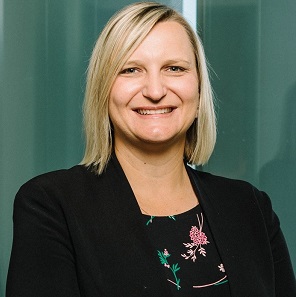
Mental health difficulties are common in childhood, yet children, parents and schools often don’t realise there is a problem until it really starts to interfere in their lives. ARH Mental Health Research Grant recipient, Professor Sonja March‘s project set out to test whether a simple online program could help identify and support children, parents and schools.
The Healthy Minds Happy Hearts program is a digital tool that asks parents and children short questions about how the child is feeling and behaving. It gives parents a clear summary of how their child is going and points them to support that matches their child’s level of need. The program gives general information about mental health for children currently doing well, including how to spot difficulties and how to seek help. For children who are currently experiencing difficulties, Healthy Minds Happy Hearts provides education modules and directs them to suitable online therapy programs and helps families connect with a GP or psychologist where needed. The program brings together all the information parents need to help their child, into one handy location.
The program was tested in two ways. First, Professor Sonja March and the research team worked with six primary schools in a regional area of Queensland, where families could choose to take part through their child’s school. Second, the program was opened to families across Australia through the community. In total, 162 families joined the study. Half were given the Healthy Minds Happy Hearts program, and half completed the same surveys but received only a brief summary of their child’s results, with the option to access the full program later.
The trial showed how hard it is for families to engage in universal mental health screening. Of the nearly 3,000 families across the six schools, only a small proportion joined, even after multiple rounds of newsletters, flyers, posters and direct messages from guidance counsellors.
Professor March and the research team learned three important things. First, families who used the program liked it: most said they would recommend it to others. Second, the trial showed most families who did join the program were already worried about their child or had previous experience with mental health services and were keen to learn more. Families who had not yet noticed a problem were less likely to take part in the mental health screening and support program. Third, and importantly, guidance counsellors who worked on the study reflected that families today are already under significant pressure, and that a screening program, however well designed, may feel like “one more thing” to fit into an already busy life. Unless a child was already showing difficulties, families may be less likely to see the program as something they needed, even if they thought it was of value.
Around one in four parents in the study identified as Aboriginal and/or Torres Strait Islander, well above the national average, showing that programs of this kind have capacity to reach Indigenous families when offered through trusted school and community channels.
Together, the results of the study show that future programs of this kind may best be targeted to families who are already noticing concerns, rather than to everyone, or that new ways are needed to make it easier for families to get involved. This might include building programs into existing GP or school appointments or in-class activities. The lessons from this trial will shape how the next generation of Australian child mental health programs are designed.
Media contact: [email protected] First published 17th September 2026
Graphic acknowledgement: Magnific.com