
Training teachers to provide early intervention to primary school aged children
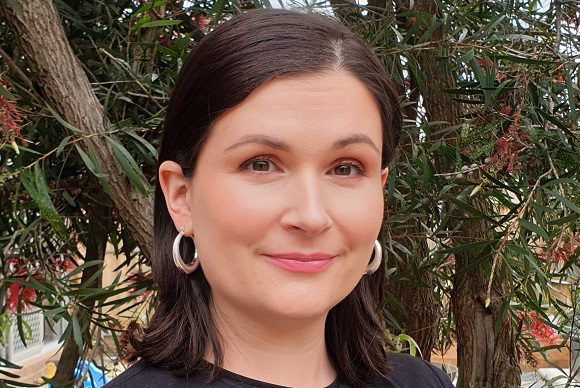
Australian Rotary Health/Co-funded with the Rotary Club of Flemington Kensington Funding Partner PhD Scholarship recipient, Catherine Johnson’s project developed a tool for primary school teachers to use in the classroom with anxious children called the Teaching Primary Student with Anxiety Model of Practice (TPSA-MoP).
Three approaches were used to develop the tool. The first looked at scientific papers and what they showed teachers normally use or should use to help support anxious children. That information was then shown to a group of primary teachers, psychologists and parents of anxious children, who were asked to help decide which of the supports would be best to use in the classroom. Once they had decided, Catherine held a workshop with a group of experienced teachers and worked with them to develop a tool that they thought would help guide other teachers when they are thinking about what supports to use with anxious children.
The TPSA-MoP is made up of seven different information sheets on different topics that the research found were important for support of anxious students. These include recognising anxiety, creating a safe classroom environment, collaborating with parents and other professionals, coping skills, managing worries, separation anxiety and panic attacks. Each information sheet has different elements to help teachers plan for offering supports to anxious students, implement supports and monitor how well those supports are working for students. The TPSA-MoP is unique because it has been developed specifically for the primary school classroom and for the specific symptoms of anxiety. It was also developed with lots of input from people who work in classrooms, so this hopefully means it will be very relevant to teachers.
Some research evidence suggested responses to children with anxiety should be behavioural based, focusing on reducing ‘deficient’ behaviour in kids such as being off-task, being aggressive or displaying social difficulties. The research found that these methods were seen as misaligned with current classroom practice, and that the focus for teaching children with anxiety should be on environmental levels such as teacher-student relationships or proactive approaches such as building coping skills.
The research also found differences in how health professionals and teachers understood their role in relation to mental health supports. Teachers have a longer period of time to become acquainted with students than health professionals do and appear to make judgements based on comparing children with what is typically normal for that particular child, which is more similar to the way that parents make decisions about help-seeking for children than it is to clinical decision making. Understanding this difference may help to develop future resources, like the TPSA-MoP, that could be used to help support collaboration between the health and education sectors.
Media contact: [email protected] First published 2nd November 2026
Graphic acknowledgement: Magnific.com