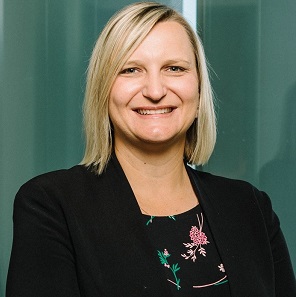
Professor Sonja March is the Director of the Centre for Health Research and a Professor of Psychology at the University of Southern Queensland. Sonja has a PhD in Clinical Psychology and leads the Innovative Mental Health Solutions Research Program at UniSQ.
Her research focuses on the use of innovation and technology to improve access to evidence-based psychosocial assessments and interventions in childhood and adolescence. Prof March has developed world-first digital assessments and programs that are being translated into open access public health services, having significant impact in the Australian community.
Read more >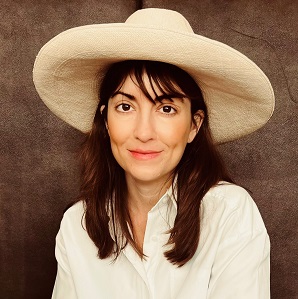
My primary research interests are translational research, neurodevelopment, and contemplative science. I am currently a postdoctoral researcher at Telethon Kids Institute (FASD Centre of Research Excellence) and have an adjunct academic position at Curtin University. I trained at the Stanford University Center for Compassion and Altruism Research and Education (CCARE), the UCSD Center for Mindfulness, and the Institute for Mindfulness-Based Approaches.
Read more >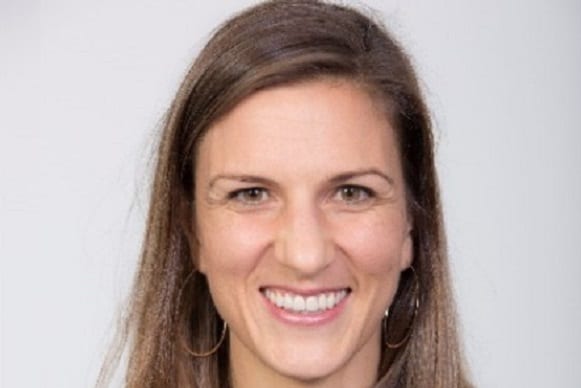
Natalie Peach is a Postdoctoral Research Fellow at the Matilda Centre for Research in Mental Health and Substance Use, University of Sydney. She currently works as the Project Coordinator on the COPE-A clinical trial, investigating the efficacy of integrated exposure-based therapy for co-occurring post-traumatic stress and substance use disorders in adolescents.
She completed a combined Masters/PhD in clinical psychology at the University of Melbourne and Orygen Youth Health in 2017. Her PhD focused on phenomenological relationships between childhood trauma, PTSD symptoms and psychotic symptoms in young people with early psychosis. Her research interests include adolescent mental health, early intervention, PTSD, substance use, comorbidity and psychosis.
Read more >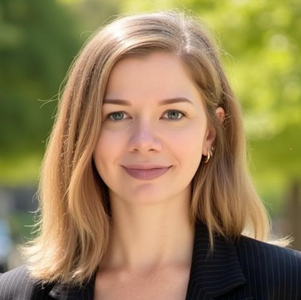
Michelle Gossner is currently a PhD student at Central Queensland University under the supervision of Dr Cassandra Dittman and Dr Lisa Lole. She began her career as a primary school teacher working across various educational contexts in Australia and the United Kingdom. Michelle recently completed her Bachelor of Psychological Science (Honours) and received a First-Class classification. Prior to commencing her PhD, Michelle undertook an undergraduate Summer Research Scholarship and interned on various research projects.
She has a strong interest in child and adolescent development, particularly the influence of family context, parenting practices and parental mental health. Michelle is passionate about conducting research that can impact the community in a meaningful way.
Read more >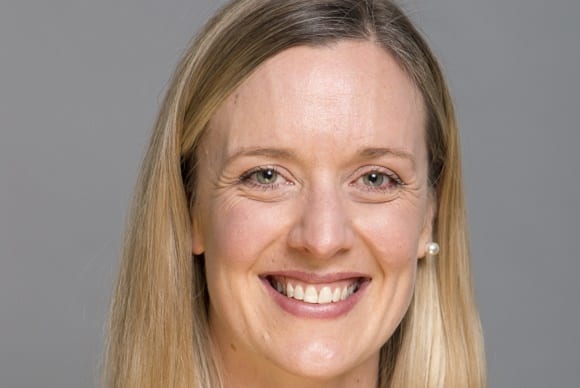
Dr. Carly Johnco is a Macquarie University Research Fellow and Clinical Psychologist at Macquarie University. Her research is focused on understanding the cognitive and environmental mechanisms that impact the development and treatment of anxiety (and related disorders) in childhood and older age. She has published more than 55 journal articles and book chapters and received over $3.5million in research funding.
She has received several awards, including the 2019 Australian Psychological Society Early Career Research Award, 2018 Australian Association of Cognitive and Behavioural Therapies Tracey Goodall Early Career Award, and 2017 Macquarie University Early Career Researcher of the Year Award.
Read more >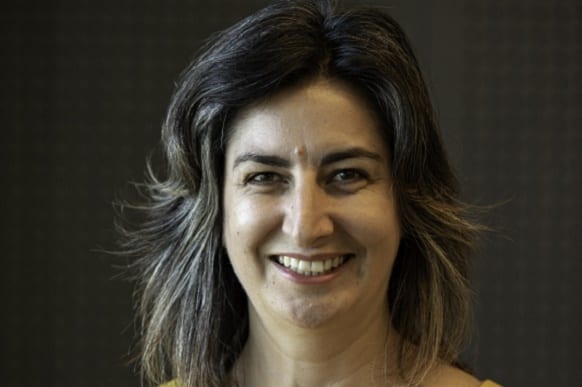
Associate Professor Ashleigh Lin is an NHMRC Career Development Fellow and Program Head of Mental Health and Youth at the Telethon Kids Institute. Her research is focused on better understanding the mental health needs of young people, and then developing novel interventions to address them.
She has a specific focus on marginalised groups of young people who tend to have poorer mental health than their mainstream peers, but also less access to acceptable and effective interventions.
Read more >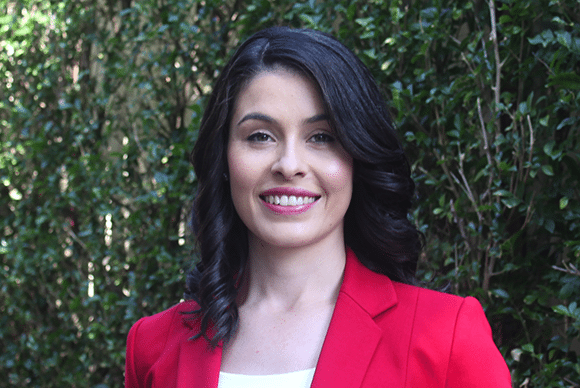
Doctor Lauren McLellan is Director of the Centre for Emotional Health Online Treatment Programs, with expertise and special interest in understanding and effectively treating anxiety in youth. Her research aims to use technology to increase access to treatments for anxious youth, especially for those in rural and remote communities.
Her other research interests include improving outcomes of anxiety treatments by developing and evaluating novel intervention or assessment methods to identify youth that don’t respond as well as others to standard treatments. Lauren is also a clinical psychologist and lectures on the Masters of Clinical Psychology postgraduate program at Macquarie University.
Read more >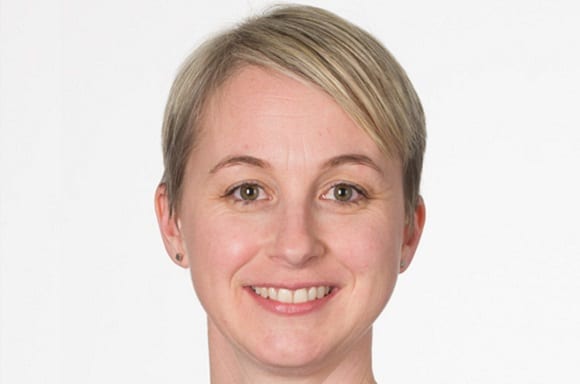
Kylie King is a Senior Research Fellow at the Turner Institute for Brain and Mental Health at Monash University. She has expertise in male suicide prevention research and mental health program evaluation. She is interested in the capacity for public health interventions to have positive impacts on men’s mental health across the life span.
The project is being undertaken in collaboration with researchers at the University of Melbourne and Orygen, and with Tomorrow Man.
Read more >
Associate Professor Tim Slade is Director of Biostatistics and Epidemiology at the Matilda Centre for Research in Substance Use and Mental Health, University of Sydney and Program Lead, Biostatistics for the NHMRC Centre of Research Excellence for Prevention of Mental Illness and Substance Misuse (PREMISE).
His research program in psychiatric epidemiology aims to improve our understanding of the prevalence, correlates and diagnostic validity of mental and substance use disorders with the aim of informing the next generation of prevention and early intervention responses.
Read more >
Dr Lou Farrer is a senior research fellow and registered psychologist at the Centre for Mental Health Research, at The Australian National University. Her work focuses on how technology can be used to improve access to mental health care among people in the community. Dr Farrer’s primary research interests are in the development, evaluation, and implementation of online mental health treatment programs.
Most recently, her work has focused on mental health in tertiary education settings, and she was awarded an ARC DECRA in 2018 to examine how mental health professionals in Australia use technology in their practice.
Read more >